

Openly undefined
The Heart & Soul of Non-Monogamy
ABOUT
Ethical non-monogamy takes on many “forms”… polyamory, swinging, open marriage and everything in between. The thing about going non-traditional is that it gives you liberty to create what you want. Well, as long as everyone is aware and everyone is consenting. My husband and I classify as swingers, or in “the lifestyle.” We’ve met swingers who do swing, but don’t ‘identify’ with that term. We’ve met polyamorous couples who swing, and those who don’t. Actually, I have found that most open-relationship folks don’t really like to define themselves…it’s that whole non-traditional thing. The one thing we all have in common is being “open” to one degree or another. Open can be ridiculous amounts of fun. Open can be obscene amounts of sexiness. Open can also be complex. This is a blog about all of it.
If you find yourself unfamiliar with some of the terminology (common at first), here’s a Glossary of Terms to help.

Lifestyle Events 101: How to Get the Most Out of Your Trip
"I got railed last night." That's the kind of conversation you only get at a lifestyle event. Here's how to actually get the most out of yours from packing to pacing to the debrief.

Masculine/Feminine Energy: An Intro Without the Woo
Masculine and feminine “energy” gets thrown around a lot but it is rarely explained.. Here's the no-nonsense, no-incense version of what it actually means, why it plays out the way it does, and why it's a big part of the reason this lifestyle runs female-led.
Does a Threesome make you Non-Monogamous? My Hot Take.
If a married couple has a threesome a few times a year, are they non-monogamous? Some would say yes. I'm not so sure. In this post I'm unpacking the difference between sexual adventure and ENM, why you still need the ENM skillset either way, and why you really need to stop trying to pick up a third at a vanilla bar. Read more.
The Four Agreements & Ethical Non-Monogamy
Don Miguel Ruiz wasn't talking about open relationships when he wrote his short book — but he could have been. Here's why The Four Agreements might be the most important thing you read for your ENM journey.
Is ENM Like Opening Pandora's Box?
The Pandora's box story has become shorthand for a fear a lot of couples carry into ENM: once you open it, you can't close it. But there’s more to that story and that's not even true. People in the lifestyle don’t think to mention the truth to this story - so let me say it.
What "Conscious Swinging" Actually Means (And Why I Keep Using That Word)
I've been using the phrase "conscious swinging" for a while now, and it always creates a pause. A small recalibration. Maybe because the two words seem at odds. In this post, I break down what conscious actually means — in three layers — and why it changes everything about how couples show up in the lifestyle.
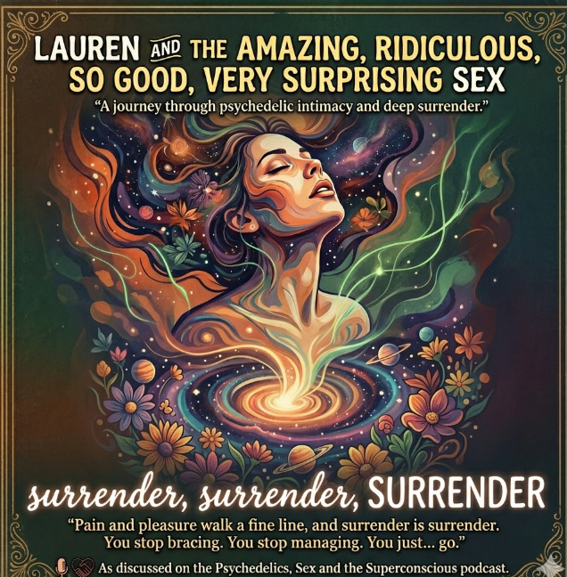
Lauren and The Amazing, Ridiculous, So Good, Very Surprising Sex
A slightly awkward dinner, an unexpected tincture, and an early exit led to the most transcendent smexual experience of Lauren's life. The story, the lessons, and the one word that changed everything.

The Art of the Real Apology (And Why Most of Us Are Doing It Wrong)
Most of us think we're decent apologizers. We say sorry, we mean it, and we move on. But there's a significant difference between apologizing at someone and apologizing to them - and according to relationship researchers like the Gottmans, Esther Perel, and Harriet Lerner, the quality of your repair attempts may matter more to your relationship than almost anything else. Here's what a real apology actually contains.